top of page

Az ésszerű kétségen túl

.jpeg)


Language


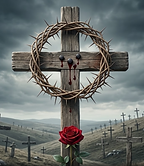


"And he shall confirm the covenant with many for one week: and in the midst of the week he shall cause the sacrifice and the oblation to cease, and for the overspreading of abominations he shall make it desolate..." — Daniel 9:27 (see also Daniel 11:31, 12:11)
he resumption of animal sacrifices in Jerusalem is a central focus of biblical prophecy, modern geopolitical tension, and religious preparation.
Biblical Prophecy Behind the Sacrifices
In Christian, Messianic, and Jewish eschatology, the reinstitution of the daily sacrifices (the Tamid) is tied to the timeline of the end times:
The Cessation of the Sacrifice:
Prophecy indicates that sacrifices must first be restored before they can be stopped by the Antichrist (the "prince who is to come").
"And he shall confirm the covenant with many for one week: and in the midst of the week he shall cause the sacrifice and the oblation to cease, and for the overspreading of abominations he shall make it desolate..." — Daniel 9:27 (see also Daniel 11:31, 12:11)
The Abomination of Desolation:
Yeshua referenced Daniel when speaking of the end of the age:
"When ye therefore shall see the abomination of desolation, spoken of by Daniel the prophet, stand in the holy place, (whoso readeth, let him understand:)..." — Matthew 24:15
The Man of Lawlessness in the Temple:
Paul indicated that an end-time figure will enter this sacred space:
"Who opposeth and exalteth himself above all that is called God, or that is worshipped; so that he as God sitteth in the temple of God, shewing himself that he is God." — 2 Thessalonians 2:4
For these events to happen literally, an altar must be active and sacrifices taking place.
Current Ground Preparations in Israel
Several dedicated groups in Israel, most prominently The Temple Institute (Machon HaMikdash) and associated activist groups, have spent decades preparing to restore the Levitical priesthood and sacrifices:
Sacred Vessels and Vestments:
The Temple Institute has recreated more than 100 biblical vessels according to Torah specifications, including the golden menorah, the table of showbread, the incense altar, musical instruments, and the high priest's breastplate and linen garments.
Priestly Training:
Institutions have maintained registries of individuals from the tribe of Levi and the lineage of Aaron (Kohanim), training them in the specific rituals, slaughter procedures, and sprinkling of blood required by the Torah.
The Red Heifer Search:
According to Numbers 19, the ashes of a blemish-free red heifer (Parah Adumah) without a single non-red hair are required to purify priests and sacred spaces from corpse ritual impurity (tumat met). Groups in Israel have imported qualified red heifers from the United States and raised them under rabbinical supervision to prepare for this purification rite.
Practice Sacrifices:
For several years, religious groups have conducted annual "practice" or rehearsal Passover sacrifices outside the Old City walls to train priests and keep public awareness alive.
Can Sacrifices Begin Without a Full Temple?
According to significant rabbinic opinion (such as Maimonides / Rambam):
The Altar Precedes the Building: Historically, after the Babylonian exile, sacrifices resumed on an altar before the foundation of the Second Temple was even laid (Ezra 3:2–3, 6).
Because of this principle, many temple advocates argue that a complete building is not technically required to begin offerings; they only need a ritual altar placed on the proper ground and ritually purified priests.
Geopolitical Roadblocks
The primary barrier to resuming sacrifices remains geopolitical:
The Temple Mount Status Quo: The Temple Mount (Haram al-Sharif) is administered by the Jordanian-appointed Islamic Waqf, with Israeli security controlling exterior access. Non-Muslim prayer—let alone Jewish ritual slaughter—is strictly barred under the existing status quo.
Global Repercussions: Any physical attempt to set up an altar or perform blood sacrifices on or near the site could trigger massive regional conflict across the Arab and Muslim world.
Because of these extreme sensitivities, Bible scholars often view the eventual resumption of sacrifices as something that will likely only occur following a major regional shift, conflict, or a broad diplomatic agreement—echoing the covenant described in Daniel 9:27.
bottom of page